INDIVIDUAL THERAPY

Therapy that starts with where you are.

Individual therapy is a one-on-one process aimed at helping clients understand themselves and deal with various psychological issues, facilitated by a therapist. It typically involves multiple sessions tailored to the client's progress. It is not necessary to have a diagnosis or a very pressing problem to deal with to be in therapy. Lots of clients come to therapy simply with the goal of understanding themselves better, unburden themselves from their daily struggles, or to accelerate their personal growth.  At Sophia Mental Health, you won't be sitting across from someone who stays at a clinical distance; our therapists bring our real selves into the room so you can feel comfortable doing the same, and we treat you as the expert on your own life, not someone to be told what's wrong with them. Individual therapy gives you a space to understand what you're experiencing, recognise patterns, and work through what's difficult at whatever pace actually works for you. Your therapy is shaped around you: your concerns, your context, and what you want to work on.

Book a Free Discovery Call →

WHAT CAN YOU COME TO THERAPY FOR?


There are a range of difficulties that people come to therapy for, such as 


●  Overthinking and constant worrying

●  Anxious or racing thoughts

●  Panic attacks

●  Difficulty sleeping

●  Low mood or feeling emotionally drained

●  Mood swings

●  Anger or difficulty managing emotions

●  Feeling empty, disconnected or numb

●  Low self-esteem or difficulties with self-image

●  Social anxiety or avoiding social situations


●  Obsessive or intrusive thoughts

●  Difficulties in personal relationships or recurring patterns in how you relate to others

●  Grief after the loss of someone

●  Difficulty adjusting to major life changes

●  Feeling like you don’t fit in or don’t belong

●  Difficulty concentrating or feeling mentally overwhelmed

●  Substance use

●  Self-harm

●  Trauma-related difficulties

●  Dissociation

●  Suicidal thoughts or tendencies

We also work with a wider range of psychological and mental-health conditions, always guided by evidence-based practice, your therapist's specific area of expertise, and what actually fits your needs.

●  Anxiety disorders

●  Depressive disorders

●  Obsessive-Compulsive Disorder (OCD)

●  Panic-related disorders

●  Social Anxiety Disorder

●  Trauma- and stress-related disorders

●  Borderline Personality Disorder (BPD)

●  Other personality-related difficulties

●  Attention- and neurodevelopmental concerns, where appropriate

●  Substance-use related difficulties

●  Other emotional, behavioural and psychological concerns


A diagnosis is not necessarily required to begin therapy, and even if you do have one, it won't define how we see you here. A label can offer useful language, but it was never meant to describe the whole of who you are or limit what's possible for you. You can reach out simply because something feels difficult, confusing or overwhelming. We’ll take it from there.

WHAT CAN CHANGE WITH THERAPY?

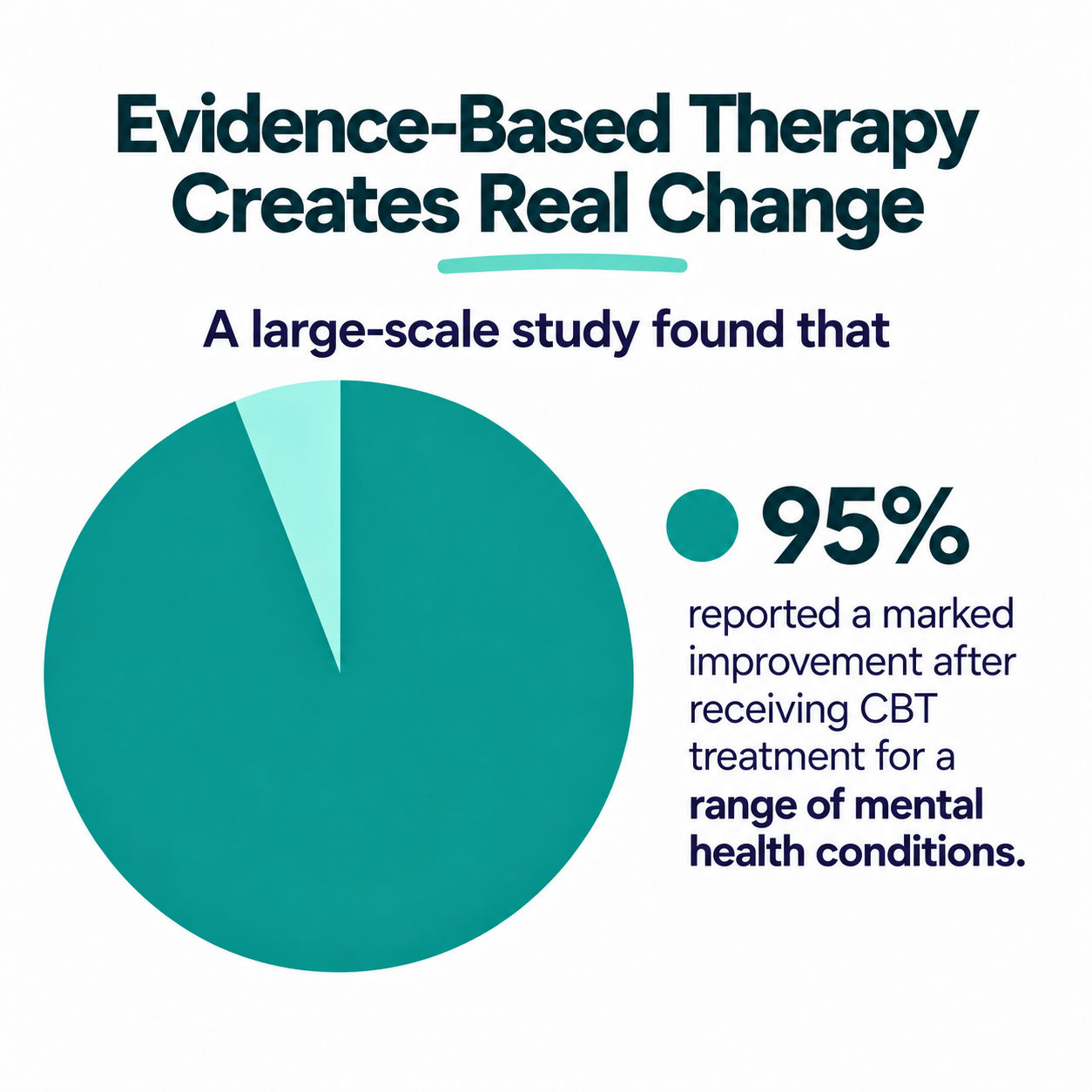
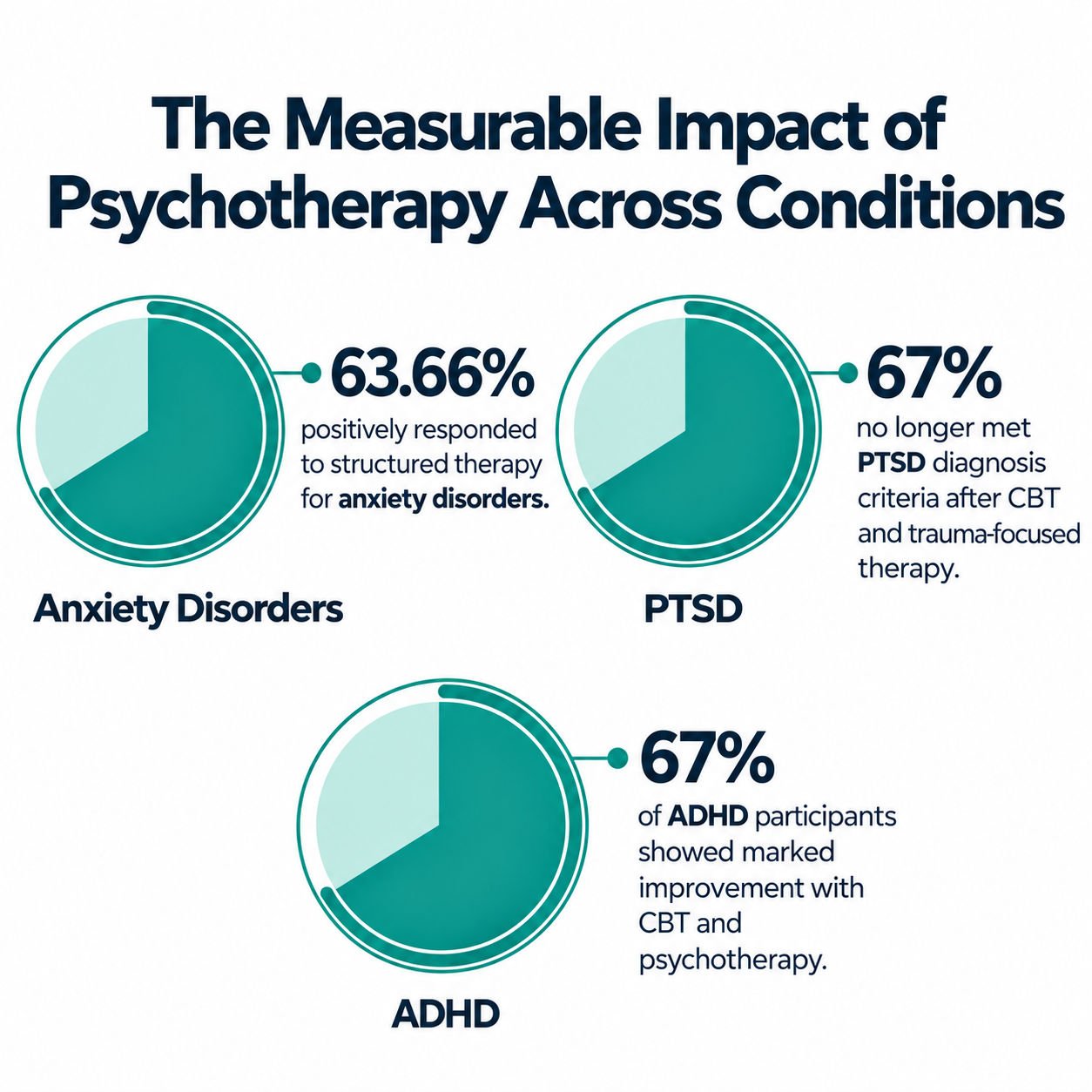
Therapy can help you feel less overwhelmed by anxiety and overthinking, manage emotions more effectively, sleep better, communicate more openly, build healthier relationships and, perhaps most importantly, understand yourself with more clarity and less judgment, on your own terms. 

The research below shows some of the changes observed across psychological treatments.

Sources

WHERE DO I START?

You can begin with a free 15-minute discovery call. We would understand your concerns, explain what therapy with us actually looks like, and help match you with a therapist who feels like the right fit, because that fit matters more than picking whoever's available first. After the call, you're free to book your first session whenever you're ready. 

Book a Free Discovery Call

FAQs

  • What happens in the first therapy session?

The first session is about understanding what's brought you here, what you've been experiencing, and what kind of support would actually help. If you're unsure where to begin, that's fine too; your therapist will help you find a starting point.

What if I don't know what to say?

You don't need to arrive with the right words or a clear plan. Your therapist will guide the conversation gently, at your pace, and help you find a starting point without pressure to perform or explain yourself perfectly.

How often should I attend therapy?

We generally recommend weekly sessions, particularly when starting therapy. Regular sessions help build continuity, create space to reflect on what’s happening between sessions, and allow for deeper therapeutic work.

If weekly sessions aren’t feasible because of a particularly busy schedule, we can work with you on a fortnightly schedule. While this isn’t our usual recommendation, we understand that consistency also needs to be realistic and sustainable for you.

How long does therapy take?

There's no fixed timeline. The number of sessions depends on your concerns, your goals and how the work unfolds. Your therapist will review this with you along the way, so the length of therapy is a decision you make together, not one set in advance.

Do I need a diagnosis to start therapy?

No, a diagnosis was never meant to be a gatekeeper to support, therapy can begin based on what you're experiencing right now, whether or not that fits a formal diagnosis.

Can children and teenagers come for therapy?

Yes. Depending on age and clinician scope, therapy can support children and teenagers with concerns such as anxiety, academic pressure, emotional difficulties, behavioural concerns, self-esteem, grief, social difficulties and other mental-health concerns.